VGA Designers

Curating Art for Your Home
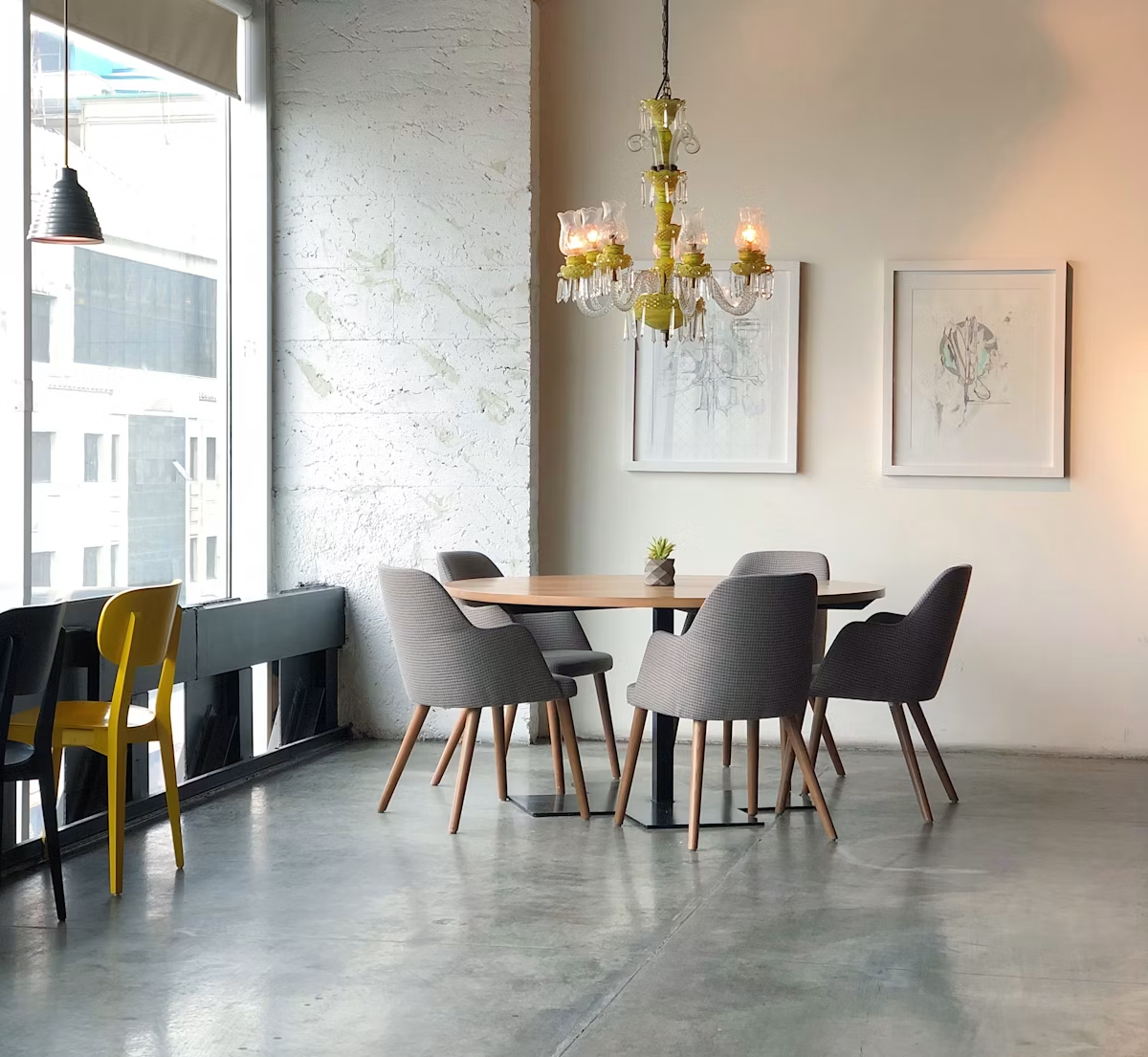
BACK TO JOURNAL Curating Art for Your Home An expert guide on selecting, framing, and hanging art pieces to create visually stunning focal points in your living spaces. When designing a home, one of the most crucial elements to consider is how the space will feel, not just how it will look. Interior design is more than arranging furniture; it is about creating an environment that supports your lifestyle. Focus on Lighting Natural light is the best accessory a room can have. Maximize your windows and consider light, sheer treatments that offer privacy without blocking the sun. For artificial lighting, layering is key. Combine ambient, task, and accent lighting to create depth and warmth. Texture Adds Warmth Minimalist spaces can quickly feel cold if they lack texture. Incorporate materials like natural wood, bouclé fabrics, linen, and woven rugs. These elements add tactile interest and make a room feel lived-in and welcoming. “Design is not just what it looks like and feels like. Design is how it works.” By carefully considering the elements of light, texture, and personal style, your home can transform into a sanctuary that is both beautiful and deeply comforting.
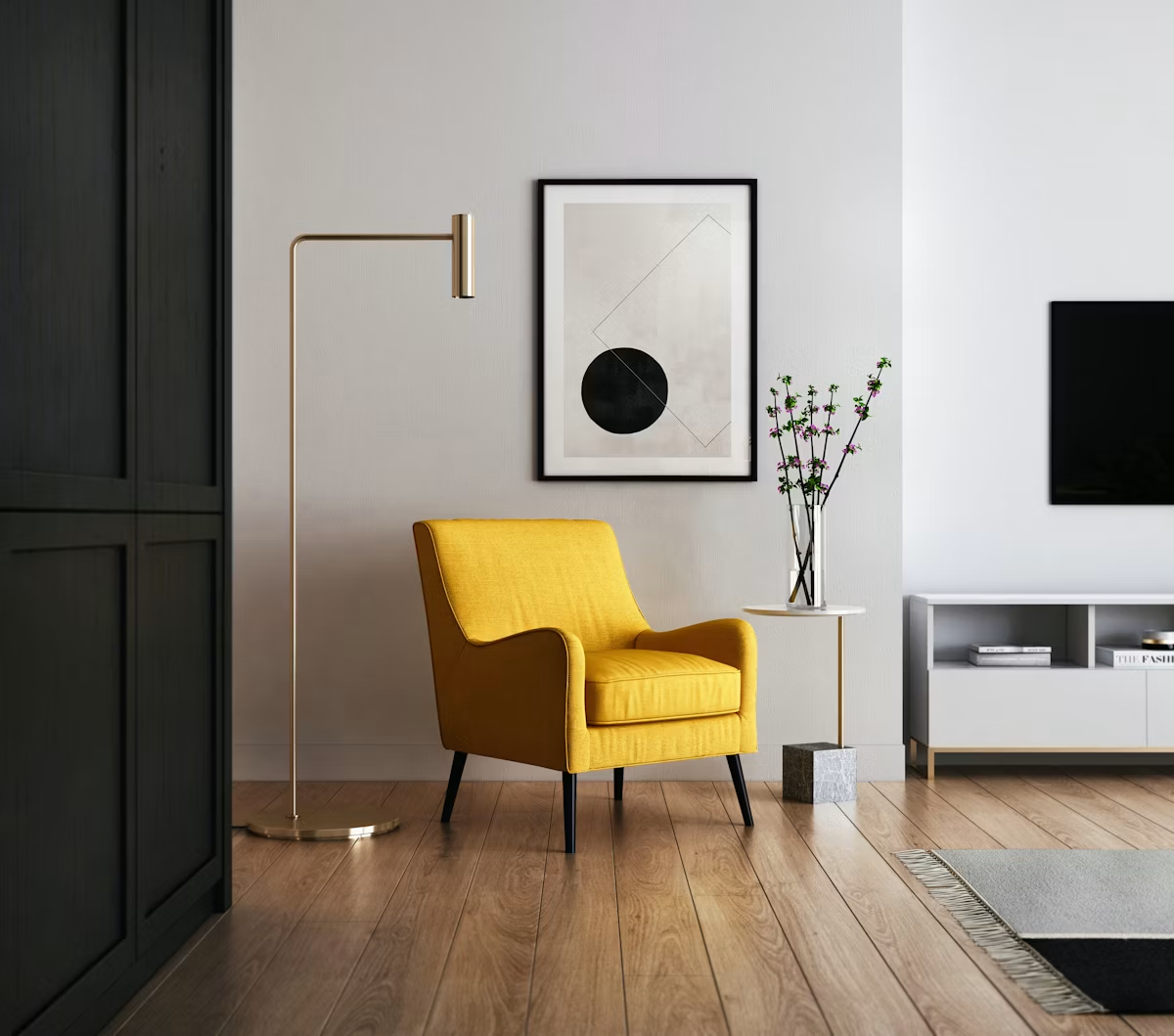
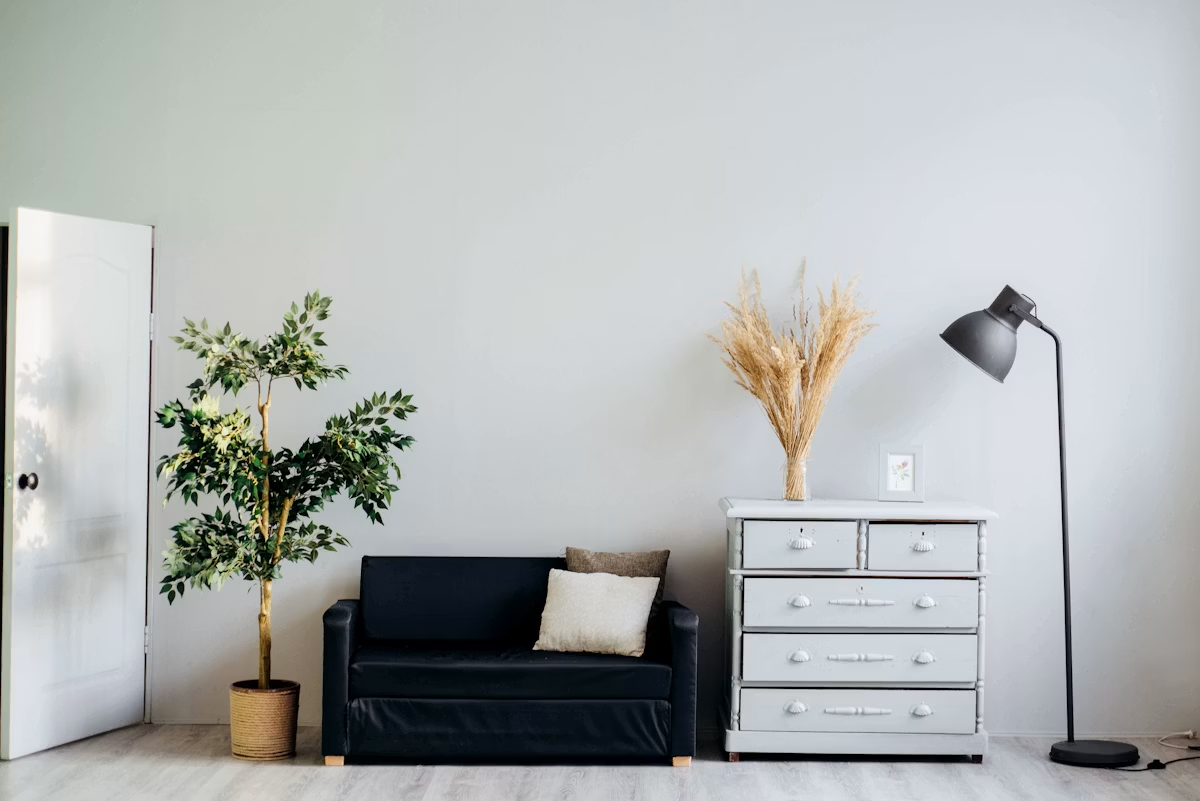
The Psychology of Color in Interior Design

BACK TO JOURNAL The Psychology of Color in Interior Design Understand how different colors influence our emotions and behavior, and learn how to choose the right palette for every room in your house When designing a home, one of the most crucial elements to consider is how the space will feel, not just how it will look. Interior design is more than arranging furniture; it is about creating an environment that supports your lifestyle. Focus on Lighting Natural light is the best accessory a room can have. Maximize your windows and consider light, sheer treatments that offer privacy without blocking the sun. For artificial lighting, layering is key. Combine ambient, task, and accent lighting to create depth and warmth. Texture Adds Warmth Minimalist spaces can quickly feel cold if they lack texture. Incorporate materials like natural wood, bouclé fabrics, linen, and woven rugs. These elements add tactile interest and make a room feel lived-in and welcoming. “Design is not just what it looks like and feels like. Design is how it works.” By carefully considering the elements of light, texture, and personal style, your home can transform into a sanctuary that is both beautiful and deeply comforting.
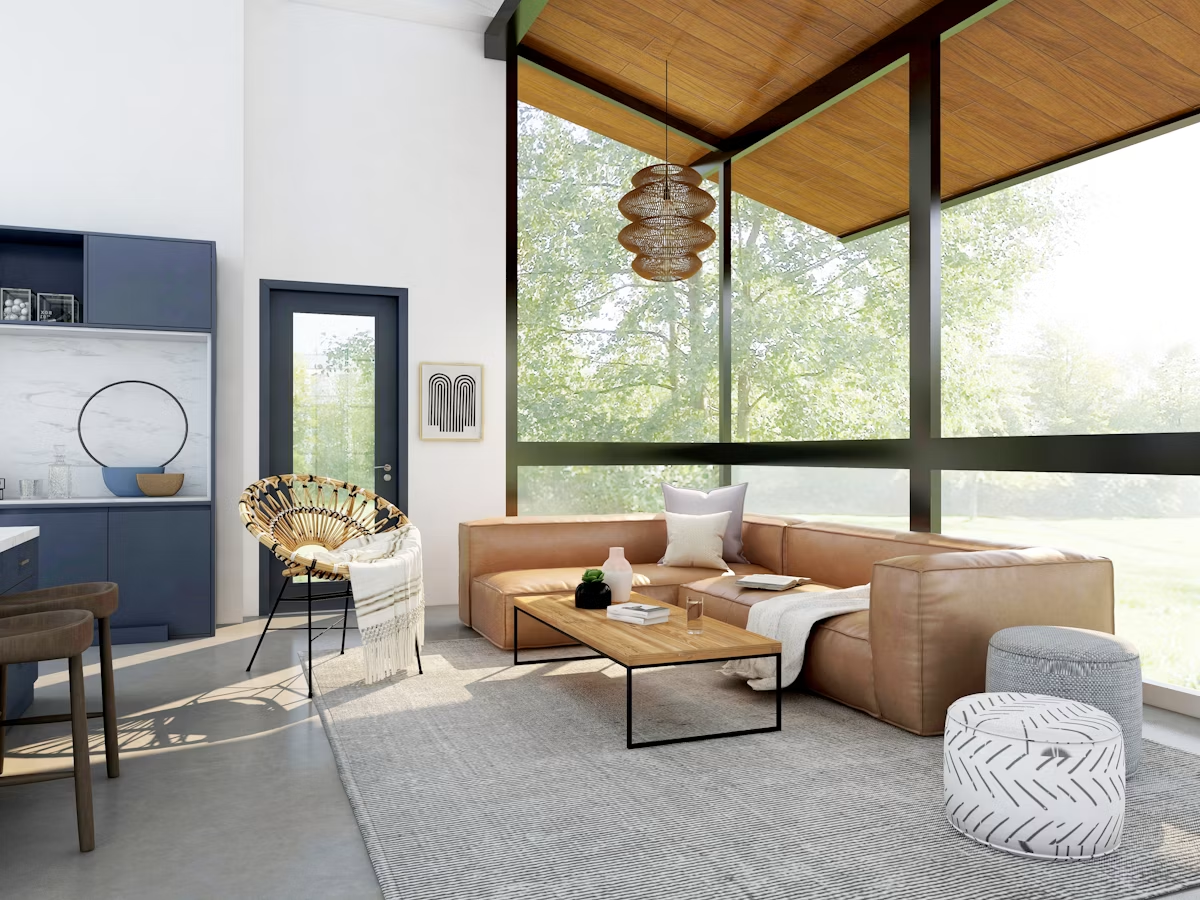
Lighting Strategies for Small Spaces

BACK TO JOURNAL Lighting Strategies for Small Spaces Discover how strategic lighting can make small rooms feel significantly larger, brighter, and more inviting. When designing a home, one of the most crucial elements to consider is how the space will feel, not just how it will look. Interior design is more than arranging furniture; it is about creating an environment that supports your lifestyle. Focus on Lighting Natural light is the best accessory a room can have. Maximize your windows and consider light, sheer treatments that offer privacy without blocking the sun. For artificial lighting, layering is key. Combine ambient, task, and accent lighting to create depth and warmth. Texture Adds Warmth Minimalist spaces can quickly feel cold if they lack texture. Incorporate materials like natural wood, bouclé fabrics, linen, and woven rugs. These elements add tactile interest and make a room feel lived-in and welcoming. “Design is not just what it looks like and feels like. Design is how it works.” By carefully considering the elements of light, texture, and personal style, your home can transform into a sanctuary that is both beautiful and deeply comforting.
How to Choose the Right Materials

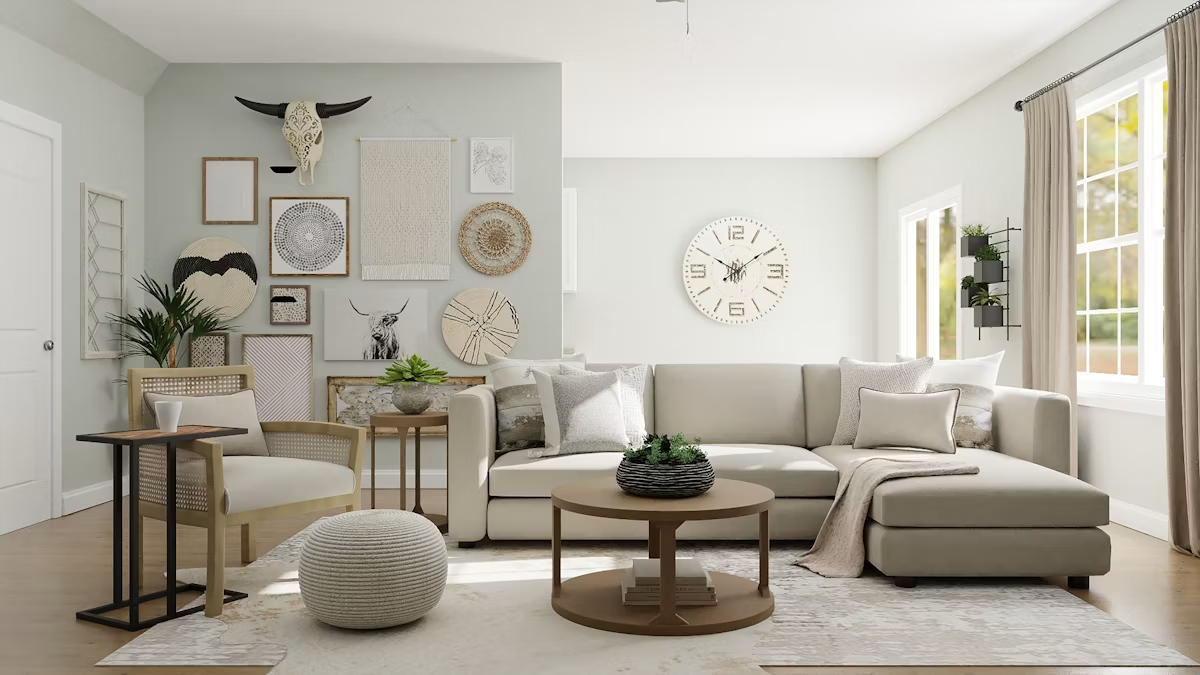
BACK TO JOURNAL How to Choose the Right Materials A comprehensive guide to selecting the perfect materials for your home renovation, ensuring durability, style, and sustainability. When designing a home, one of the most crucial elements to consider is how the space will feel, not just how it will look. Interior design is more than arranging furniture; it is about creating an environment that supports your lifestyle. Focus on Lighting Natural light is the best accessory a room can have. Maximize your windows and consider light, sheer treatments that offer privacy without blocking the sun. For artificial lighting, layering is key. Combine ambient, task, and accent lighting to create depth and warmth. Texture Adds Warmth Minimalist spaces can quickly feel cold if they lack texture. Incorporate materials like natural wood, bouclé fabrics, linen, and woven rugs. These elements add tactile interest and make a room feel lived-in and welcoming. “Design is not just what it looks like and feels like. Design is how it works.” By carefully considering the elements of light, texture, and personal style, your home can transform into a sanctuary that is both beautiful and deeply comforting.
The Rise of Minimal Interiors in 2024

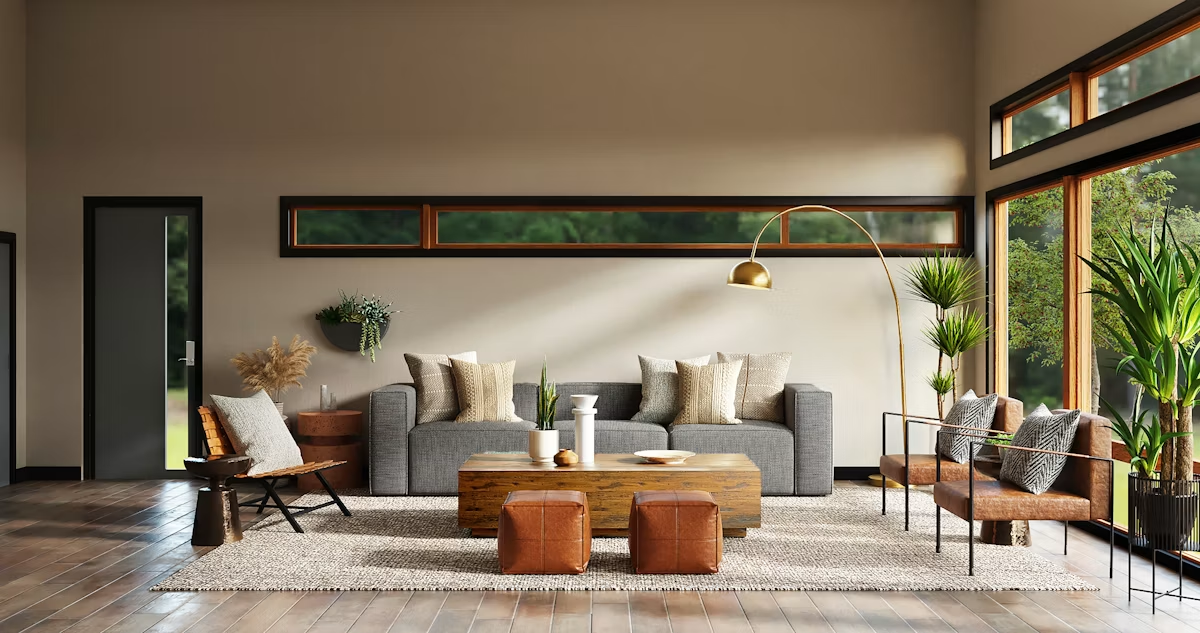
BACK TO JOURNAL The Rise of Minimal Interiors in 2024 Explore why minimalist interior design is capturing the hearts of homeowners in 2024, focusing on uncluttered spaces and functional aesthetics. When designing a home, one of the most crucial elements to consider is how the space will feel, not just how it will look. Interior design is more than arranging furniture; it is about creating an environment that supports your lifestyle. Focus on Lighting Natural light is the best accessory a room can have. Maximize your windows and consider light, sheer treatments that offer privacy without blocking the sun. For artificial lighting, layering is key. Combine ambient, task, and accent lighting to create depth and warmth. Texture Adds Warmth Minimalist spaces can quickly feel cold if they lack texture. Incorporate materials like natural wood, bouclé fabrics, linen, and woven rugs. These elements add tactile interest and make a room feel lived-in and welcoming. “Design is not just what it looks like and feels like. Design is how it works.” By carefully considering the elements of light, texture, and personal style, your home can transform into a sanctuary that is both beautiful and deeply comforting.

10 Tips to Make Your Home Look Luxurious

BACK TO JOURNAL 10 Tips to Make Your Home Look Luxurious Transform your living space into a luxurious sanctuary with these simple yet effective interior design tips that elevate any home without breaking the bank. When designing a home, one of the most crucial elements to consider is how the space will feel, not just how it will look. Interior design is more than arranging furniture; it is about creating an environment that supports your lifestyle. Focus on Lighting Natural light is the best accessory a room can have. Maximize your windows and consider light, sheer treatments that offer privacy without blocking the sun. For artificial lighting, layering is key. Combine ambient, task, and accent lighting to create depth and warmth. Texture Adds Warmth Minimalist spaces can quickly feel cold if they lack texture. Incorporate materials like natural wood, bouclé fabrics, linen, and woven rugs. These elements add tactile interest and make a room feel lived-in and welcoming. “Design is not just what it looks like and feels like. Design is how it works.” By carefully considering the elements of light, texture, and personal style, your home can transform into a sanctuary that is both beautiful and deeply comforting.